
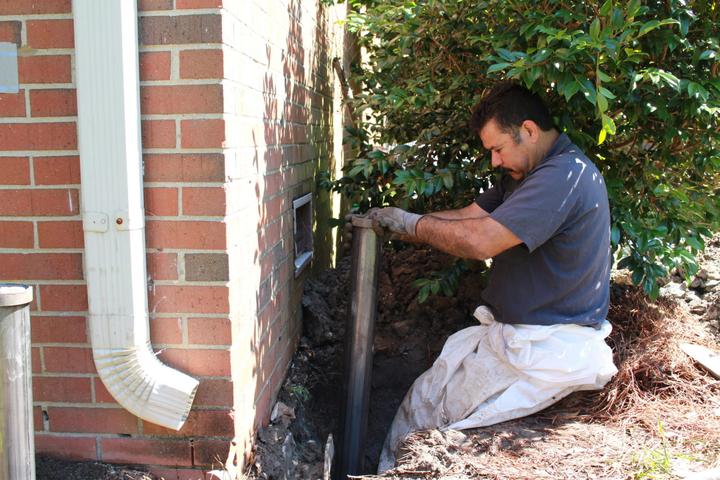
When a homeowner notices a crack in the foundation or dampness in a lower level, the immediate reaction is often one of concern. These structures serve as the literal base for the entire home, and any sign of shifting or moisture can feel like a threat to the property’s integrity. Residents in this region often find themselves weighing how to address these changes, balancing the need for immediate action against the desire for a permanent, reliable solution.
Assessing the Structural Needs of a Home
Deciding how to approach foundational or basement concerns begins with understanding the difference between cosmetic issues and structural threats. Not every hairline crack indicates a shifting foundation, and not every damp spot requires extensive waterproofing.
When observing the home, consider what patterns are emerging. Are doors or windows suddenly sticking? Do cracks appear to be widening over time, or do they follow a diagonal path? These are common indicators that a professional assessment may be warranted. A thorough evaluation typically involves looking at both the exterior and interior of the home to understand how the soil, the drainage around the structure, and the materials themselves are interacting.
For many, the first step is to observe the site during different weather conditions. Moisture management is often the most significant factor in maintaining a healthy base. If water is not being diverted away from the walls, it can lead to hydrostatic pressure, which pushes against the foundation and can cause long-term movement or leaks. Understanding whether a problem is primarily water-related or structural is the key to determining the scope of necessary work.
Typical Methods for Addressing Foundation and Basement Issues
When professional intervention is required, the methods vary based on the specific condition of the property. For basement-related moisture concerns, technicians often look at external drainage solutions first. These may involve clearing gutters, extending downspouts, or grading the soil to ensure water moves away from the foundation rather than pooling against it.
If the moisture is persistent despite proper exterior drainage, internal systems might be considered. These typically involve managing water that finds its way into the basement by directing it toward a sump pump or a drainage channel. These systems are designed to manage water levels and keep the interior environment dry.
For structural foundation concerns, the approach shifts toward stabilization. In cases where a foundation has settled or shifted, specialists may use techniques designed to support the structure and prevent further movement. This might include:
- Reinforcing walls to resist lateral pressure from the surrounding soil.
- Installing support systems that transfer the load of the home to more stable soil layers.
- Filling cracks with materials that seal the area and prevent water intrusion, though sealing alone is rarely a solution for active structural movement.
Each method carries its own considerations, and the right approach depends on the underlying cause of the distress.
Factors That Tip the Decision Toward Specific Repairs
Choosing a course of action often depends on the homeowner’s long-term goals for the property. A homeowner planning to remain in the residence for many years might prioritize a comprehensive, permanent fix, even if the initial scope of work is larger. Conversely, if a homeowner is addressing a property in preparation for a sale, they may look for solutions that satisfy disclosure requirements and provide immediate stability.
The soil composition in the area also plays a significant role in how a foundation behaves. In regions with clay-heavy or shifting soils, foundations are subjected to different pressures compared to areas with more stable earth. Professionals familiar with local conditions often have insights into how these specific soils affect concrete performance over time.
Budgetary considerations are always a factor, but it is helpful to weigh the cost of a comprehensive repair against the potential cost of inaction. A minor issue that is addressed early typically requires less complex work than a major issue that has been allowed to worsen. When reviewing estimates, consider the provider’s experience with local site conditions and their ability to explain the mechanism behind the proposed repair. A good provider will be able to demonstrate why a specific solution is appropriate for the unique layout and soil profile of the home.
Aligning Repairs with Individual Property Needs
Ultimately, the goal of any foundation or basement project is to restore peace of mind and protect the value of the home. Because no two homes are identical, there is no universal “best” repair. A strategy that works perfectly for a neighbor’s property may not be the right fit for yours.
Start by asking questions that get to the root of the issue. Ask the specialist to explain what is happening with the soil or the structure, how the proposed repair will address that specific cause, and what the expected outcomes are over the coming years. Look for transparency in the assessment process. A provider who explains the “why” behind their recommendations is generally more trustworthy than one who simply offers a quote without a clear rationale.
Finally, remember that maintenance is an ongoing process. Once a repair is complete, staying vigilant about drainage and keeping an eye on the state of the foundation helps ensure the work holds up over time. By taking a proactive, informed approach to foundation repair in North Dakota and basement repair in North Dakota, homeowners can protect their investment and ensure the long-term stability of their living space. The decisions made today regarding the home’s base often define the quality of the living environment for years to come.


More Stories
How to Evaluate Information on the Internet
How Retractable Phantom Screens Preserve Your Home’s Views and Curb Appeal
The Future of Real Estate: How Emerging Trends Are Reshaping the Market