
Creating a home that feels inviting, relaxing, and functional goes beyond aesthetics. Strategic upgrades and thoughtful modifications can elevate your living environment and significantly improve your daily experience. By following comfort enhancement tips, you can transform ordinary spaces into havens of serenity and practicality. This comprehensive home improvement guide explores innovative ways to incorporate modern living ideas while preparing your residence to adapt to evolving needs, making it one of the most effective approaches to designing future ready homes.
Understanding Comfort in Your Home
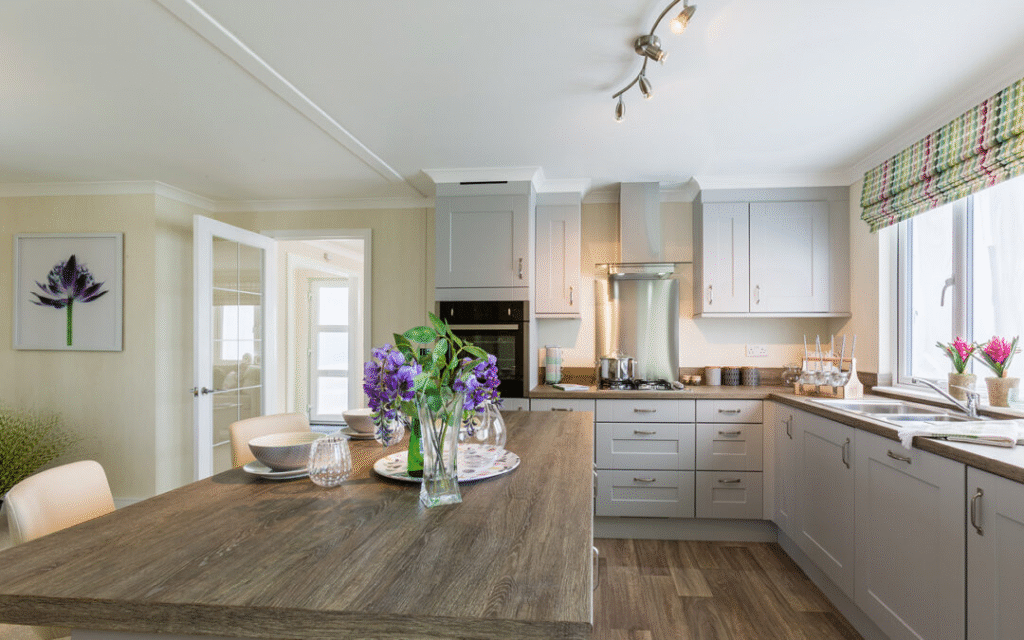
Comfort is multifaceted, encompassing physical ease, emotional well-being, and practical functionality. Every adjustment, from furniture arrangement to lighting, contributes to the overall atmosphere of a home. Simple changes, such as optimizing seating ergonomics or incorporating ambient lighting, can dramatically improve the sense of relaxation. These foundational comfort enhancement tips ensure your living space supports your lifestyle and promotes a balanced, stress-free environment.
Optimize Living Spaces
One of the most impactful strategies for enhancing comfort is the thoughtful organization of living spaces. Clutter-free areas not only improve functionality but also create a more soothing atmosphere. Utilize multi-functional furniture, such as storage ottomans or convertible desks, to maximize efficiency without compromising style. Applying these comfort enhancement tips allows your home to feel spacious and orderly, reflecting the essence of modern living ideas that prioritize both aesthetics and utility.
Upgrade Lighting for Ambiance
Lighting dramatically influences mood and perception in a home. Avoid harsh, single-source lighting and consider layered illumination. Combining floor lamps, pendant lights, and adjustable LEDs can create warmth while offering versatility. Dimmer switches and strategically placed accent lighting enhance relaxation and highlight key areas. Thoughtful lighting is a cornerstone of comfort enhancement tips, blending functionality with the principles of modern living ideas.
Incorporate Ergonomic Design
Ergonomics is a critical aspect of comfort. From the height of your work desk to the support of your seating, well-designed elements reduce strain and promote wellness. Invest in chairs, desks, and bedding that support your posture and encourage movement. Ergonomic improvements are practical comfort enhancement tips that complement your modern living ideas while preparing your home for long-term usability, essential for future ready homes.
Embrace Natural Elements
Integrating natural materials and greenery can elevate the sense of tranquility in your home. Wooden furniture, stone accents, and indoor plants contribute to a balanced environment, improving air quality and enhancing visual appeal. These elements are subtle but powerful comfort enhancement tips that resonate with modern living ideas, reinforcing the feeling of connectedness to nature in your future ready homes.
Climate Control for Optimal Comfort
Temperature and air quality significantly affect comfort. Upgrading insulation, installing energy-efficient HVAC systems, or using smart thermostats ensures consistent indoor climates year-round. Proper ventilation and humidity control contribute to physical well-being and reduce the risk of allergens. Climate considerations are essential comfort enhancement tips, creating modern living ideas that prioritize wellness and sustainability for future ready homes.
Thoughtful Color Palettes
Colors influence mood and perception. Soft neutrals, muted tones, and subtle contrasts create a calming environment, while accent colors add personality and energy. Choosing the right palette can transform a room from stressful to serene. Incorporating these comfort enhancement tips aligns with modern living ideas, making your spaces inviting and visually harmonious for future ready homes.
Personalization and Functional Design
Personal touches and customized spaces enhance emotional comfort. Display meaningful artwork, curated collections, or family photographs to foster a sense of belonging. Functional designs, such as built-in storage or modular shelving, ensure your home is practical without sacrificing aesthetics. These comfort enhancement tips reflect modern living ideas that combine style, personalization, and utility, preparing your home to evolve as a future ready home.
Acoustic Comfort
Noise control is often overlooked but is essential for relaxation. Soft furnishings, rugs, and acoustic panels can minimize disruptive sounds, creating quieter spaces for work and leisure. Implementing these measures is a critical aspect of comfort enhancement tips, contributing to modern living ideas that balance energy and tranquility in future ready homes.
Easy Accessibility
A comfortable home should accommodate everyone. Wide pathways, organized storage, and intuitive layouts simplify movement and daily routines. Attention to accessibility is a fundamental comfort enhancement tip, supporting modern living ideas and ensuring your future ready homes are comfortable and functional for all residents.
Enhancing comfort through home improvement is a holistic approach that combines design, functionality, and personal well-being. By applying strategic comfort enhancement tips, embracing modern living ideas, and planning for adaptability in future ready homes, you can create spaces that feel inviting, practical, and sustainable. Every adjustment, whether minor or major, contributes to a harmonious living environment that supports relaxation, efficiency, and joy.
A thoughtfully designed home not only elevates daily experiences but also prepares your space for evolving needs. Comfort is not just about luxury—it is about crafting a sanctuary that nurtures your lifestyle while remaining flexible and stylish for years to come.

More Stories
10 Bold Remodeling Ideas to Transform Your Home Without Breaking the Bank
10 Unique Remodeling Ideas to Transform Your Home This Year
10 Creative Ways to Transform Your Home Without Breaking the Bank